Understanding Costs: Ways to Budget for a Service Stress-Free Worry
Funeral planning can often feel like an overwhelming task, especially during a time of grief. The loss of a loved one brings a wave of emotions, and the added responsibility of organizing a fitting farewell can make things even more difficult. However, grasping the process and knowing what to anticipate can significantly alleviate the stress associated with planning a memorial. By approaching this sensitive task with a focused, organized mindset, families can navigate the planning process with greater ease and peace of mind.
This guide aims to provide you with crucial insights into funeral planning, helping you manage your finances effectively and consider all necessary steps. From understanding your choices and costs to recognizing how cultural traditions impact decisions, this article will provide you with the information needed to celebrate your loved one in a meaningful way. Whether you are planning in advance or dealing with an unexpected death, we will explore multiple facets of funeral planning that every family should know, ensuring that you can concentrate on what truly matters during this difficult time.
Crucial Steps for Funeral Planning
The first step in funeral planning is to gather the necessary information and resources. This requires understanding the desires of the departed, as well as any certain instructions they may have communicated regarding their funeral. Speak to family members to ascertain information about preferences they may have shared. It's vital to compile any important documents, such as will and testament, life policies, and pre-planned funeral plans, to facilitate a hassle-free planning process.
Next, consider the type of service that best reflects the character and values of the deceased. This could include deciding on decisions between a traditional memorial service and a unique commemoration of life. Involving with relatives and loved ones in these conversations can offer insight and assist reach a consensus. Additionally, choosing on interment or crematory options early on will streamline the planning efforts and can assist in controlling costs efficiently.
In conclusion, outline a budget that covers all aspects of the memorial planning process. It is important to look into costs associated with each element, such as caskets, flowers, transportation, and venue rental. Open communication with family members about the budget can help reduce stress and prevent going over budget. Remember, this is a chance to celebrate a life, so striking balance between celebrating your deceased and remaining within financial limits is crucial.
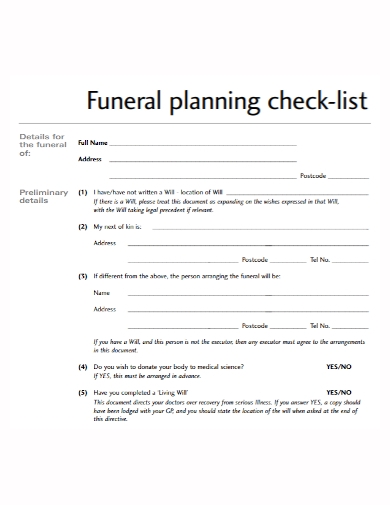
Budgeting Aspects for Funeral Services
When arranging a funeral, it's important to take into account the expenses involved to avoid monetary strain during an already difficult challenging time. Begin by recognizing the basic expenses associated with funeral services, such as the fees for the funeral director, the transportation services, and the formal ceremony. Based on the decisions made regarding burial options or cremation, further costs may arise, including coffins, urns, and grave plots. https://funeralplanningnearme.co.uk/ to make a detailed inventory of these potential expenses to correctly gauge the overall expense.
Another vital factor of budgeting is to be aware of the available options. A lot of funeral homes provide packages that can assist streamline the decision-making process and offer clearer pricing structures. Feel free to ask about itemized pricing to make sure you understand what you are being charged for. Exploring various service providers and comparing their costs can also lead to substantial cost reductions while still commemorating your loved one adequately.
Finally, consider allocating funds in advance or making pre-need plans, as this can alleviate financial burdens for surviving family members. By preparing in advance, you provide your loved ones the peace of mind of having financial matters sorted while allowing for a emphasis on honoring the life of the deceased. It's also a wise choice to discuss budget constraints with family members to make sure everyone is on the same understanding and to avoid overspending during a time of grief.
Societal and Individualized Aspects of Memorial Services
Funeral services are deeply influenced by cultural traditions that determine how we honor and remember those who have passed away. Various cultures have unique rituals, practices, and beliefs surrounding death that influence all facets of funeral planning. For instance, certain cultures emphasize lavish ceremonies with specific rites, while some may prioritize simplicity or community gatherings. Grasping these traditions not only helps in planning a significant service but also guarantees that the wishes of the departed and their family are respected.
Customizing is increasingly becoming an important component of funeral services, enabling families to represent the distinctive life and character of their deceased. This can include selecting specific music that held significance, featuring personal memorabilia, or selecting specific themes that reflect the deceased's interests and passions. Such features can transform a traditional service into a heartfelt celebration of life, making it unforgettable for all attendees. Families are invited to think creatively and add personal touches that truly represent the individual being celebrated.
Merging cultural traditions with personalized elements can lead to a deeply satisfying funeral experience. Working with family members to gather insights about significant traditions or unique personal stories can enhance the planning process. This joint effort encourages inclusivity but also reduces some of the burden associated with funeral planning. In the end, a well-planned funeral service that respects both societal practices and individual touches can provide a sense of closure and comfort for all participants.