The important Dos and Don'ts of Supervised Visitation
Supervised access can be a important aspect of child custody agreements, particularly in situations where the protection of a minor is concerned. It serves as a structured environment where guardians can connect with their offspring under the supervision of a qualified individual or a designated family member. Grasping the details of supervised visitation is essential for parents, family members, and relatives involved in custody disputes or complicated family dynamics.
This article explores the guidelines of supervised visitation, offering key insights into how it works, why it's important, and how families can handle this challenging process. From arranging for http://supervisedconnections.org to comprehending the role of a visitation monitor, we aim to provide parents with practical information to guarantee that these interactions are as beneficial as feasible for their young ones. Whether you're facing a court ruling for supervised visits or simply want to comprehend the concept better, this guide will help resolve common concerns and challenges as families strive to rebuild trust and improve bonds.
Understanding Monitored Contact
Supervised visitation is a judicial arrangement where a parent can spend time with their child in the presence of a third party, known as a supervisor. This arrangement is typically mandated by a court when there are concerns about the child's safety during unmonitored visits. The monitor ensures that interactions occur in a safe environment and can act if needed. Monitored visitation is often used as a temporary measure to encourage a relationship between a parent and offspring while dealing with any safety concerns.
The importance of monitored visitation lies in its emphasis on child safety and well-being. It allows a parent to stay connected with their offspring while ensuring that any likely risks are reduced. Courts may order supervised visitation in high-conflict custody cases, where past behavior suggests that unsupervised visits could pose risk to the child. This arrangement helps to foster a bond between the parent and offspring, which can be essential for emotional support during tough transitions.
Supervised visitation can take place in different settings, including at the home of the monitor, a specific visitation center, or a common area. The process is designed to provide a secure and supportive environment for both the offspring and the contacting guardian. Families often face difficulties in adapting to this new arrangement, but comprehending the principles and objective behind monitored visitation can assist ease the change and provide a basis for rebuilding relationships.
Preparing for Supervised Visits
Preparing for supervised visits is important in guaranteeing a beneficial outcome for the parent and the kid. It is vital to discuss and comprehend the rules set by the overseeing organization or individual in advance. These guidelines might include guidelines on permissible activities, communication styles, and the length of visits. Knowing what to expect can help alleviate anxiety and create a conducive atmosphere for interaction.
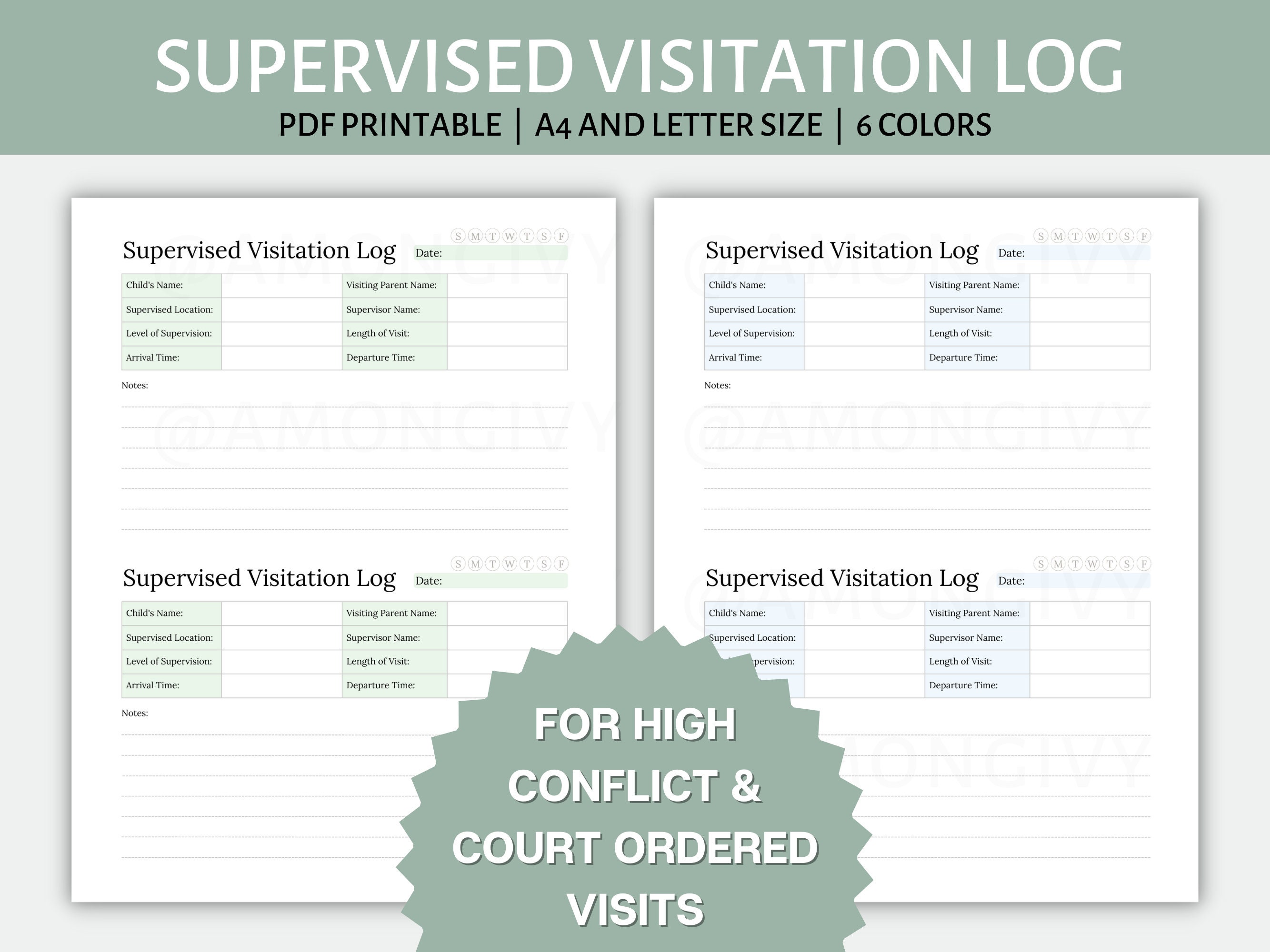
It is also helpful to bring along materials or activities that can occupy the kid during the visit. Bringing along items such as toys, books, or activities tailored to the child's interests can promote connection and make the time spent together enjoyable. Planning events that encourage engagement, such as creative projects or playing games, can strengthen the parent and child bond during these meetings.
Lastly, psychological readiness plays a critical role in the process. Parents should be prepared to approach the visit with a constructive attitude, considering the child's feelings and needs. It can be helpful to talk about any concerns or feelings with a reliable friend or counselor before the visit. Being calm, patient, and mindful will foster a warm atmosphere and strengthen the bond with the kid.
Steering the Procedure
Guiding the procedure of monitored visits can be overwhelming for many parents. It’s essential to begin by understanding the laws set by the court. Educate yourself with the particular rules regarding visits, including the frequency and length of visits. This knowledge helps in setting realistic anticipations while enabling you to prepare adequately for what lies ahead.
Planning is vital to a successful monitored visit experience. It’s essential to discuss openly with the designated monitor about any issues you may have. Discuss the use of activities that can engage your kid and help build a bond. Arriving at the session with a positive attitude and a strategy can greatly impact the nature of the appointment, fostering a more enjoyable atmosphere for both you and your child.
Ultimately, thinking back on each visit is crucial for continuous improvement. Pay attention to the engagements and feedback from the supervisor, as this can provide important information into how to improve the family relationship. Learning from each visit allows you to manage any issues and build a more positive experience as you progress, ultimately aiding the objective of reuniting the family and strengthening emotional ties.