Starting with Exploration through Therapy: The Voyage of Peptide Research
Peptide science has emerged as a crucial field of research, bridging the gap between fundamental biology and advanced therapeutic applications. Peptides, that consist of short chains of amino acids, play a key role in numerous biological processes, acting as signaling molecules and regulators within the body. As scientists delve deeper into their structure and functions, the promise of peptides in drug discovery and development is becoming increasingly apparent. Understanding how these small but powerful molecules work opens the door to innovative treatments for a spectrum of diseases.
In this exploration of peptide science, we will delve into the fundamental concepts that outline this area of study. From the fundamental principles of what peptides are and how they interact with cells, to the sophisticated techniques used for their discovery and characterization, each aspect is crucial to understanding the significance of peptides in modern biology. We will also investigate how evolving technologies and methodologies, such as bioinformatics and peptide libraries, are transforming the future of research, ultimately leading to more successful therapies. Whether you are unfamiliar with the subject or seeking to deepen your knowledge, this journey through peptide science is guaranteed to illuminate the remarkable world of these biological building blocks.
Grasping Peptides: Basics and Relevance
Peptidic chains are brief sequences of amino acids linked by peptide bonds, constituting the building blocks of proteins. Typically composed of two to fifty amino acids, they serve essential roles in diverse biological processes. Unlike proteins, which are bigger and often more intricate, peptides are simpler but can still perform a wide range of functions in the body, such as acting as hormones, neurotransmitters, or signaling molecules.
The importance of peptides in contemporary biology cannot be overstated. They are integral in nearly every cellular function, which encompasses growth, metabolism, and immune responses. Peptides can communicate with cells and affect physiological processes by interacting with specific receptors, which is vital for upholding homeostasis in the body. Understanding how peptides work is essential for progress in medicine, especially in the creation of new therapies and drugs.
Additionally, the study of peptides has progressed rapidly, with researchers uncovering their potential in addressing various diseases and conditions. As scientists investigate peptide interactions and their mechanisms of action, the significance of these biomolecules continues to grow. This exploration not only does it contributes to our knowledge of cellular processes but also paves the way for innovative therapeutic approaches, highlighting why peptides are a crucial focus in current biological research.
Discovering and Creating Peptides
The journey of peptide exploration begins with grasping their fundamental functions in biology. Scientists dig into the complicated world of amino acids, examining how their sequences determine the peptide's structure and role. Through various methods, researchers discover endogenous peptides in organisms, taking note of their biological activities and how they respond with cells. These preliminary discoveries often provide clues into possible therapeutic applications, leading to a focused pursuit of specific peptide chains with encouraging biological activity.
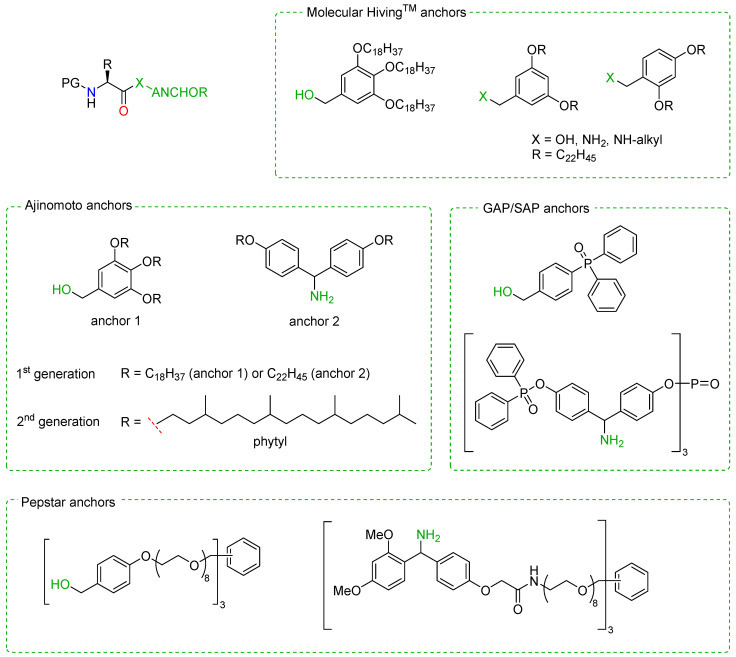
Once promising peptides are identified, the refinement process takes on a essential role. Researchers synthesize peptides using techniques such as solid-phase peptide synthesis, allowing for precise control over amino acid sequences. This synthetic approach enables scientists to create modified peptides that improve stability and efficacy. Researchers also examine peptide cleanliness, as contaminants can significantly affect biological activity and the dependability of experimental results. The goal is to produce peptides that not only exhibit the required biological response but are also reliable and secure for possible therapeutic use.
As the field evolves, advanced technologies are arising to speed up peptide exploration and creation. Bioinformatics plays a crucial role in predicting peptide interactions and optimizing structures for enhanced efficacy. Alongside with high-throughput screening methods, researchers can assess large libraries of synthetic peptides swiftly. Peptide Sciences combined approach is creating innovative therapeutic candidates that harness the distinct properties of peptides, advancing the progress of peptide science in drug discovery and further.
Peptides in Scientific Research and Drug Discovery
Protein fragments are growing crucial in research and pharmaceutical development thanks to their unique properties and roles in biological systems. They are adaptable compounds that can serve as indicators, catalysts, and regulators of biological processes. Their ability to mimic naturally occurring peptides means they hold potential as treatment options for a variety of conditions, including malignancies, diabetes, and autoimmune diseases. Researchers are harnessing their natural affinity for particular receptors to formulate specific treatments with lesser side effects compared to traditional small molecule drugs.
The method of developing peptide-based therapies begins with the identification of molecular targets and the design of synthetic protein fragments that can engage with these targets effectively. Researchers employ peptide libraries, which are assemblages of varied peptides, to screen for potential candidates with the specific biological response. Techniques like mass spectrometry and computational biology have played a vital role in defining these peptides and predicting their effects. This systematic approach allows scientists to enhance peptide options and boost their potency and robustness.
As the field continues to evolve, emerging research and technologies are paving the way for the next generation of peptide drugs. Innovations in peptide production, refinement, and alteration are helping to overcome previous challenges in peptide research, such as durability and delivery. With ongoing advancements, the future of peptide science appears hopeful, as researchers aim to realize even more therapeutic potential and improve pharmaceutical development pipelines, ultimately leading to successful treatments for individuals.