Planning Your Dream Outdoor Space: An Easy Guide
Creating your dream garden is often an invigorating yet daunting endeavor. With so many design options that you can choose from, it's vital to approach the project with a clear plan. This guide will take you along the essential steps to achieve a beautiful landscape that reflects personal style and fulfills your real-world needs. Whether you have a large backyard or a cozy front yard, the ideal design can convert your outdoor space into a stunning oasis.
In this piece, we will delve into a range of key concepts and ideas that will assist you in making informed decisions about your landscape design. From understanding the diversity between new-age and old-fashioned styles to incorporating low-maintenance options, our structured approach is tailored for everyone, ranging from novices to seasoned gardeners. So, pick up your notebook and let us all embark on the journey to establish the garden you have always imagined.
Best Landscape Design Ideas
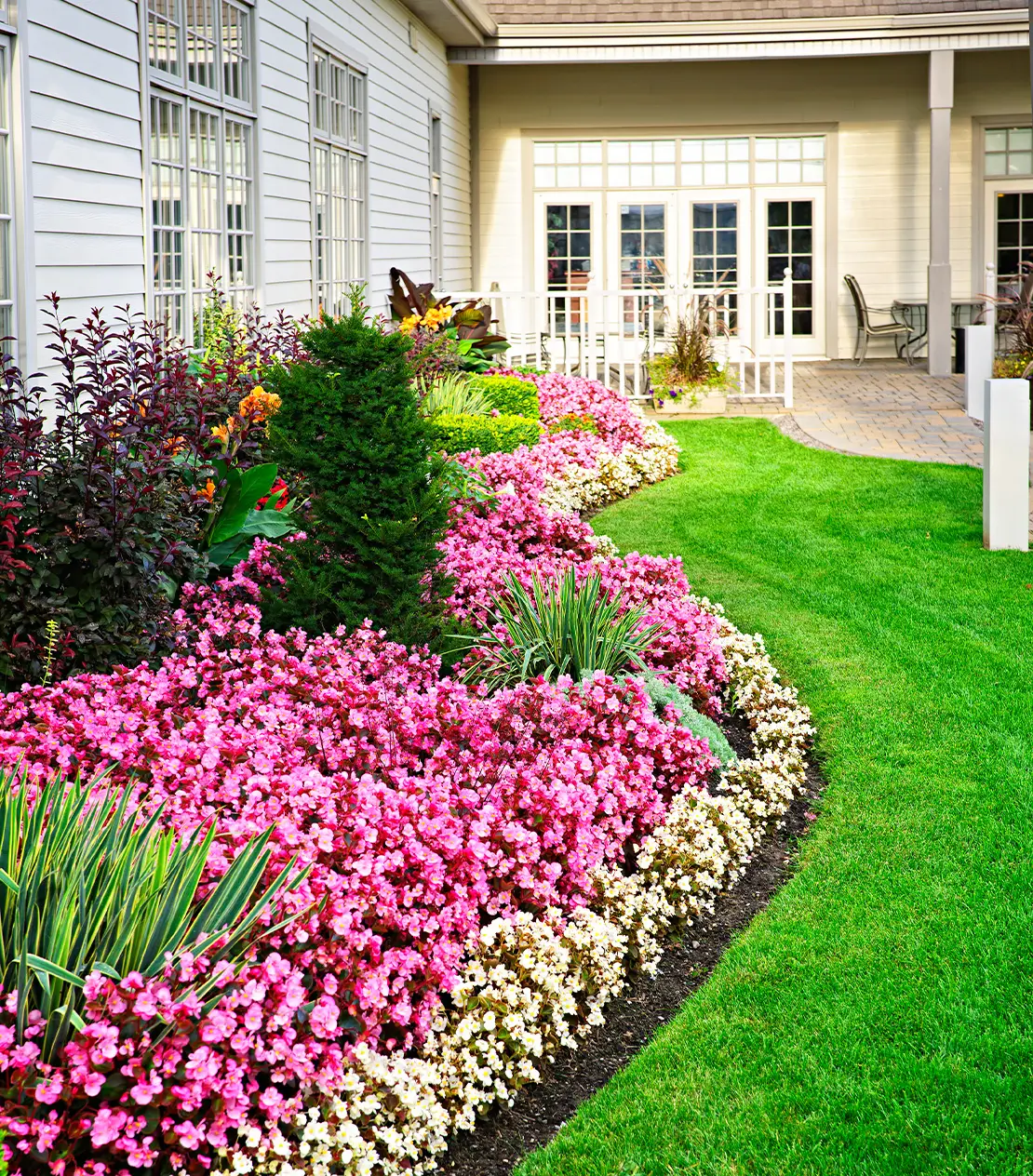
While contemplating about garden design, it is important to think about how diverse components can function to form a unified and aesthetically pleasing exterior area. A well-liked idea involves to incorporate walkways that guide guests through your yard, utilizing substances like pebbles, rocks, or timber to provide interest and engagement. These walkways not just create useful paths but also aid mark various sections within the yard, such as blooming sections, relaxation spots, and food gardens.
Incorporating aquatic elements can further improve your garden design. Waterfalls, lakes, or even small streams can add calming noises and draw in animals, which adds a lively aspect to the landscape. These features can be crafted to match any aesthetic, ranging from modern minimalist to lush, permitting you to build an sanctuary that shows your individual style and improves your time outside.
An additional outstanding idea is to leverage indigenous flora in the garden design. Native plants are well-adapted to the regional climate and soil conditions, therefore being more robust and more convenient to maintain. By opting for flora that grow well in your locale, you not just help the local ecosystem and pollinators but also guarantee that your yard remains colorful all year long with minimal work. Such an approach not just conserves water and reduces chemical applications but also cultivates a distinct feeling of place in the property.
Crucial Garden Design Advice
While starting your landscape design journey, it's essential to initially assess your outdoor space. Take ARC Landscape design of the sun and shade patterns, soil conditions, and current elements. This information will guide your decisions and aid in selecting plants that flourish in your environment. Additionally, think about your lifestyle and how you intend to use the space. Whether you plan it for entertaining, gardening, or relaxation, knowing your needs will guide your design choices.
Next, think about incorporating both hard landscaping and softscape elements. Hardscaping includes aspects such as walkways, patios, and walls, while softscaping refers to the flora and greenery. Finding a balance between these different aspects can create visual interest and functionality in your landscape. Use materials that enhance your home’s architecture and create a cohesive look throughout your yard.
In conclusion, keep in mind that maintenance is crucial to a beautiful landscape. Design with minimal upkeep plants and materials if you have a busy lifestyle. Think about adding native plants, which require less water and care while attracting local wildlife. Moreover, plan for seasonal changes by selecting plants that bloom at various intervals of the year, guaranteeing your garden remains vibrant and engaging throughout all seasons.
Choosing the Right Landscape Designer
Selecting the appropriate landscape designer is a critical step in bringing your garden vision to life. Begin by defining your project's parameters and your design preferences. Research potential designers in your locality, concentrating on those who specialize in the type of landscaping you desire, whether it's modern, classic, or sustainable. Review their portfolios to gauge their design aesthetics and consider reviews to understand their professionalism and reliability.
During initial consultations, inquire potential designers about their design process, including how they approach concepts like patios, plant selection, and environmental considerations. It's essential to share your budget and expectations clearly. A good designer will be open to your input and offer suggestions that align with your vision while remaining within your budget. This collaboration is key to ensuring the end result reflects with your vision.
Ultimately, ensure that the designer you select understands the specifics of your outdoor space, including any challenges it might pose, such as hilly land or limited sunlight. They should show knowledge of local climate conditions and recommend suitable plants and materials. Being comfortable with your designer is important, as a strong relationship can lead to a more satisfying and productive design experience.