Illuminating on Real Estate Rights: Insights from Consultants Specializing in Light Rights
In the realm of real estate development, grasping the idea of right of light is vital for maneuvering through the frequently intricate landscape of urban planning and construction. This legal doctrine ensures the light that flows into a building, and its effects can considerably affect both housing and business projects. As metropolitan zones continue to densify, the need for insight on light rights matters has never been more important. Real estate developers, builders, and property owners alike must acknowledge the potential challenges and prospects associated with this doctrine.
Hiring a light rights consultant can be a game-changing move for anyone involved in property development. These experts offer valuable advice that can help reduce threats before they grow into costly legal conflicts. From conducting Right of light Consultants West Wickham London to assisting in discussions, their expertise can prove crucial in ensuring that undertakings proceed seamlessly while respecting the entitlements of adjoining properties. In this piece, we will examine the importance of right of light, the role of advisors in this field, and offer useful guidance for land developers seeking to grasp the nuances of the right of light in their plans.
Comprehending the Right to Light
Right of light refers to a lawful entitlement that enables a landowner to receive sunlight light through designated openings, such as fenestrations. This right is typically recognized when a property has enjoyed uninterrupted light for an prolonged period, often for two decades or more. The value of this right lies in its influence on the usability and habitability of a property; without sufficient light, spaces can appear cramped and hostile. The law aims to harmonize the interests of property owners while allowing for expansion and urban growth.
For construction firms, grasping right of light is crucial as it can greatly affect development projects. If a new building obstructs an existing property's entry to light, it may lead to conflicts and claims. This can not only delay construction but also result in expensive alterations to the design. Developers must evaluate these rights during the planning phase to avoid legal complications and ensure that projects proceed smoothly. Engaging with right of light consultants can provide useful insights into these matters early in the development process.
The consequences of right of light extend outside the direct project; they can influence the overall urban setting. Increasing density in cities often leads to concerns regarding light access, which can spark disputes between neighbors. As urban areas expand, maintaining a equilibrium between development and individual rights becomes critical. Grasping these complexities empowers property owners and developers to manage the likely challenges and reduce risks associated with light rights, fostering a harmonious community while allowing for required growth. spintax 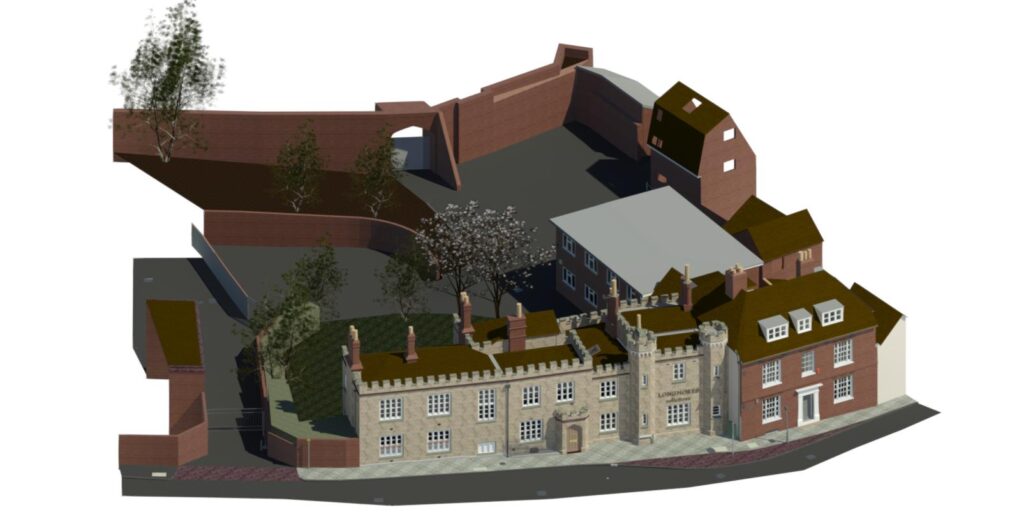 ### Assessments and Surveys of Right to Light
Assessments of light rights are vital for every property development project, as they assess the likely impact of a new development on the light available by surrounding properties. These assessments typically include a comprehensive analysis of current light conditions, the consideration of relevant legal principles, and the assessment of how a proposed structure may infringe upon the light rights of nearby buildings. By spotting potential issues early, developers can mitigate risks and avoid costly disputes later on.
Right of light surveys play a important role in this process. These surveys are conducted by professional consultants who measure the available light at affected properties and create thorough reports that outline the findings. The surveys often utilize tools such as lighting analysis tools and three-dimensional modeling to provide a comprehensive view of how construction may alter light conditions. This information is invaluable for developers, as it enables them to make educated decisions about design and positioning.
Commissioning a right of light assessment before initiating a building project is essential for ensuring compliance with legal standards and safeguarding against potential claims from neighboring property owners. It is advisable for developers to consult consultants who specialize in right of light to navigate these complex considerations effectively. By doing so, they can improve project viability and maintain positive relationships with the community, ultimately contributing to easier planning and development processes.
Effects for Real Estate Development
Right of light is a vital factor affecting property development, as it determines the extent to which a new structure can affect the light received by neighboring properties. Understanding these consequences is crucial for developers to avoid costly disputes and delays. A right of light consultant can help identify and assess potential issues early in the design stages, ensuring that projects comply with legal requirements and reducing the risk of challenges from affected neighbors.
The existence of right of light considerations can affect various aspects of a development project, including design decisions, site selection, and overall project feasibility. Developers must account for the existing rights of neighboring properties when planning their buildings, which may require changes to the height, massing, or orientation of proposed structures. Engaging with right of light experts allows developers to create informed designs that honor the rights of existing residents while enhancing their own development potential.
Additionally, addressing right of light issues proactively can facilitate smoother negotiations during the planning process and help secure the necessary permissions. Developers who dedicate resources in comprehensive right of light assessments and work with specialists are better positioned to navigate the challenges of property rights. This thoughtful approach not only mitigates risks but also enhances the likelihood of successful project completion.