From Pruning to Taking Down: A Typical Day of a Tree Care Specialist
Every homeowner treasures the splendor and shade that trees provide, but these majestic beings also necessitate regular maintenance and supervision. Meet the tree surgeon, a specialist who has the expertise and capabilities needed to maintain tree well-being, safety, and appearance. From scheduled trimming to emergency extractions, tree surgeons play a crucial role in preserving the landscape of our properties and communities. Knowing when and why to call in these experts can save you time, money, and potentially even your assets.
In this piece, we will investigate the routine life of a tree surgeon, showcasing the essential tasks they carry out and the clues that signal your arbor may need specialized help. Whether you are looking to grasp the complete guide to tree trimming or find out how to identify if a tree is unsafe, we’ll go over all you need to understand about tree maintenance. You will also uncover the value of consistent tree inspections and the advantages of engaging a qualified for specialized services. Come along as we delve into the captivating world of tree surgery and reveal the insights to ensuring your trees healthy and protected.
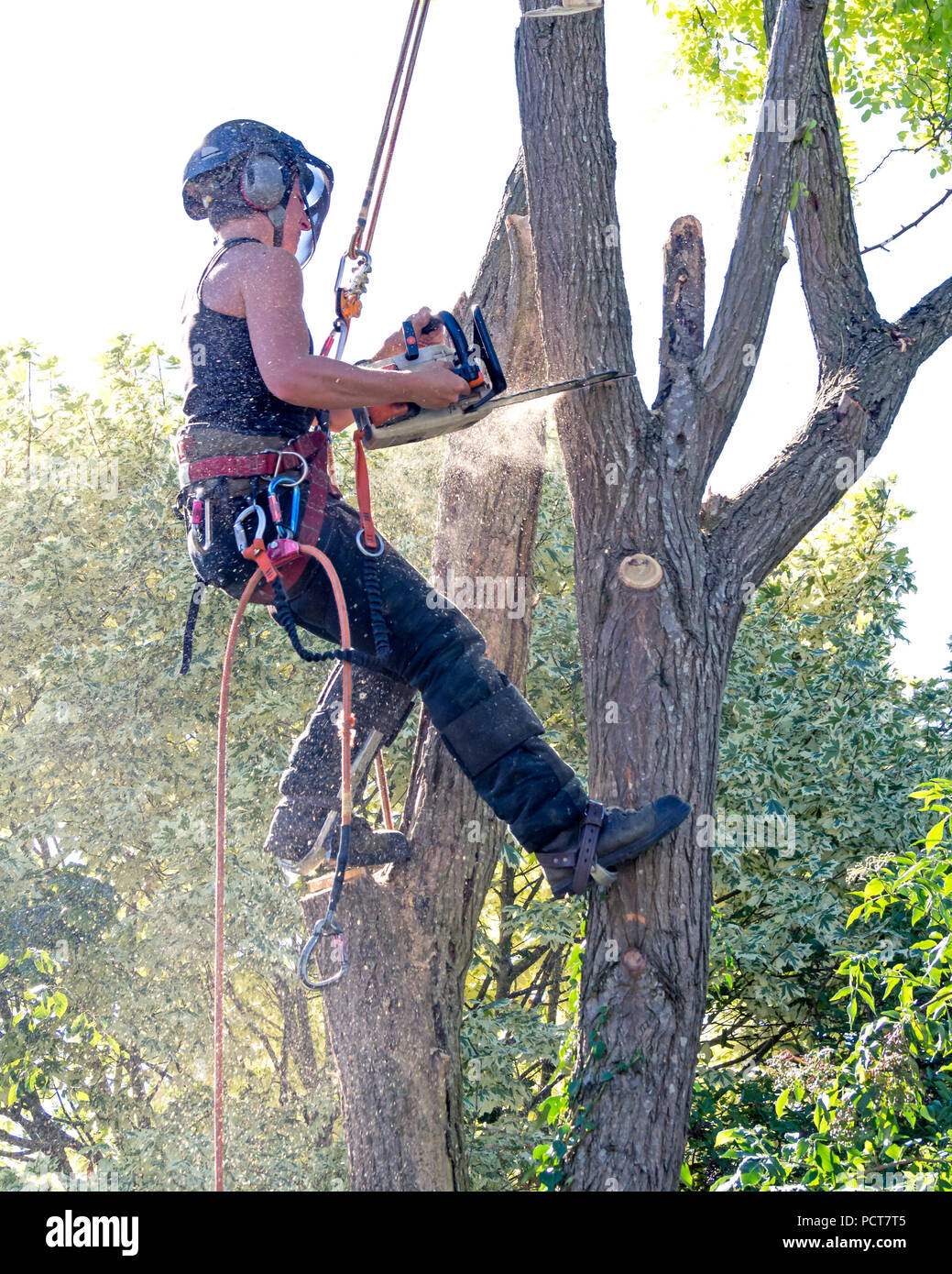
Signs That Your Tree Requires Attention
Trees are essential components of our environment, but few trees are healthy. If you notice wilting leaves, discoloration, or dead branches, these can be signs that the tree needs professional attention. A tree that is losing its leaves too early or developing strange spots or lesions may be under attack by pests, diseases, or inadequate care. Observing these signs early is important to securing the health of your tree and preventing possible hazards.
An additional key sign to watch for is an abnormal growth pattern. If a tree leans excessively or displays significant trunk damage, it may pose a risk to the property and the safety of those around it. Cracks and splits in the trunk, especially if combined with the presence of mushrooms or a soft trunk, can indicate internal decay. Such structural issues should warrant a call to a tree surgeon before they lead to worse problems.
Seasonal changes can also influence a role in the tree's health. During winter, keep an eye out for broken branches caused by snow and ice buildup, while summer may reveal problems due to drought stress or excessive exposure to heat. Regular inspections can help you recognize these changes and recommend on the proper course of action, such as pruning, treatment, or removal.
Tree Maintenance and Preservation
Adequate tree maintenance is crucial for ensuring the health and lifespan of trees in your garden. Regular evaluations can help spot problems before they become severe, such as pest infestations, disease indications, and structural concerns. Homeowners should be aware for 10 signs that their trees need professional attention, including noticeable rot, dried limbs, or slanted trunks. By remaining proactive, you can avoid potential hazards and financially burdensome removals down the line.
Tree care involves a range of activities, from routine trimming to seasonal adjustments. Understanding the difference between tree trimming and tree pruning is key; while trimming focuses on the appearance and health of the leaves, pruning targets overall tree health through selective pruning to promote flourishing. Additionally, knowing how frequently to have your trees trimmed can significantly impact their vitality. Regular maintenance not only enhances the visual quality of your landscaping but also contributes to tree robustness and resilience against severe conditions.
The importance of winter preparation cannot be overstated. Homeowners should learn how to prepare their trees for winter to mitigate injury from snow and ice. Protecting trees during stormy weather is equally important, as overgrown branches can pose significant risks. Regular maintenance is not merely about appearance; it safeguards your property, contributes to the ecosystem, and ensures that your trees can thrive for years to come.
Hiring a Tree Surgeon
When thinking about whether to employ a arborist, it is important to assess the specific needs of your plants. Look for indicators that indicate professional help may be necessary, such as decayed branches, tilted trunks, or excessive pruning needs. These signals often mean the tree demands more than a basic cut ; it may need professional attention to safeguard its well-being and safety. Comprehending the potential hazards associated with your plants can help you in forming an informed choice about obtaining professional assistance.
Once you've identified the need of engaging a tree surgeon, take the time to explore and find a skilled expert. Look for arborists with credentials and a solid standing in your area. Feedback and recommendations can offer perspective into their capability and reliability. Additionally, consider asking particular inquiries regarding their background, insurance policies, and safety measures. This will ensure that the help you receive is both expert and safe.
Finally, be prepared for the expenses associated with arboricultural services. Tree removal and related services can change widely according to factors like the size and position of the tree, as well as the complexity of the work. Obtaining several bids can assist you determine a reasonable rate for the services offered. By spending in a skilled tree surgeon, you not only enhance the security and aesthetics of your property but also support to the sustained health of your trees.