Building a Legacy: Designing Memorials to Celebrate Your Cherished Ones
Planning a memorial service is always an simple job, especially when it involves bidding farewell to a cherished relative or friend. Discovering a way to celebrate their legacy while simultaneously navigating the challenges of making arrangements can seem daunting. Nevertheless, creating a tailored and significant farewell allows loved ones to honor lives lived and build lasting remembrances. Funeral Planning St Martins starts with understanding how to begin organizing a funeral for a dear one and making sure that every aspect captures who they were in life.
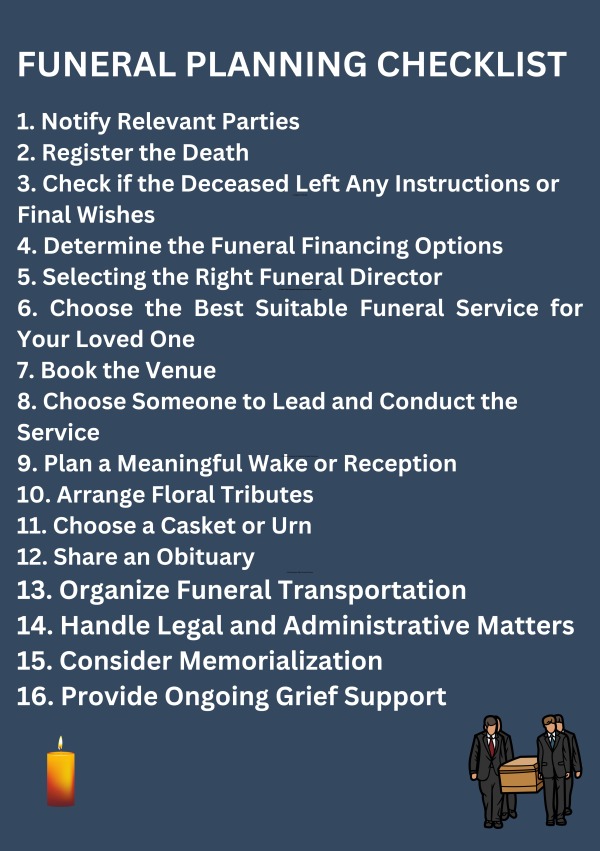
In this manual, we will discuss various aspects of memorial planning, from the distinctions between conventional funerals and celebrations of life to the importance of choosing the appropriate funeral director. We'll also look into practical considerations such as budgeting, the expenses associated, and how to create a checklist that includes all necessary elements. By the end, you'll have the knowledge required to plan a heartfelt tribute that both respects your dear one but additionally brings comfort to those left behind.
Essential Elements in Memorial Preparation
When the time comes to arrange a memorial service for a loved one, it is vital to approach the process with care and careful deliberation. Begin by talking with family relatives to collect each person’s views and desires. Understanding the desires of the departed, as well as each family member’s viewpoint, can aid create a ceremony that celebrates their memory. This initial conversation can set the mood for the planning procedure and ensure that all requirements are taken into account.
Subsequently, you will need to decide on the details of the ceremony. This includes making decisions regarding burial or cremating, choosing a funeral director, and establishing the type of service that most appropriately reflects the character and beliefs of your loved one. Think about whether to hold a classic funeral, a memorial service, or a celebration of life. Each choice can be tailored to illustrate the essence of the person you are honoring, making it a meaningful occasion for all who is present.
As you dive deeper into the preparation, it is essential to create a detailed to-do list that details all necessary task. This will assist you stay organized, make certain all important aspects are accounted for, and minimize stress during a difficult period. From selecting music and readings to arranging details for the service and gathering, a checklist can serve as a roadmap. Keeping track of deadlines and necessary documents will also ease the load on your family as you go through this challenging process as one.
Cost Factors & Budgeting
When arranging a funeral, grasping the related costs is essential for efficient budgeting. Funerals can range significantly in price, depending on various elements such as the type of ceremony, burial or cremation decisions, and extra services like transportation and flowers. It is crucial to get a definite idea of what charges will be included and to talk about these with family members to avoid any budgetary surprises. Researching and contrasting costs from various funeral homes can also aid you find options that fit your budget.
Creating a comprehensive budget can empower families to make informed decisions without going over budget. Consider detailing all potential expenses, including the cost of caskets, urns, service fees, and any additional features like memorial services or reception costs. It may also be helpful to factor in any charitable donations that the deceased might have preferred or other personal touches that might come with extra costs. Having a holistic view of these aspects will aid in organizing a service that honors your loved one while staying within budgetary means.
Lastly, families should be mindful of possible aid options that can ease the budgetary burden. Some may meet criteria for government assistance or community support services that can offset costs. Talking about financial responsibilities freely within the family can also lessen stress. By strategically planning with these financial factors in mind, families can focus on creating a meaningful tribute while ensuring that budgeting does not become an overwhelming aspect of the process.
Tailoring the Memorial Service
When arranging a memorial service, personal touches can elevate the ceremony from a standard service into a meaningful tribute that truly reflects the spirit of your loved one. Consider adding their cherished colors, hobbies, or passions into the decor and atmosphere of the event. For example, if they enjoyed gardening, you might style the space with floral arrangements that showcase their favorite plants. By adjusting the experience to resonate with their life and interests, attendees can connect more intimately to the honoring of their life.
Sound plays a essential role in setting the tone during a funeral ceremony. Choosing songs that hold meaningful meaning can stir memories and emotions that honor the lost one. Whether it’s a favorite hymn, a preferred song, or even a playlist of their favorite tunes, these sonic choices can act as a beautiful backdrop for the ceremony. In addition, allowing family and friends to contribute readings, tributes, or even personal anecdotes about the lost one can add layers of personalization and warmth, turning the ceremony feel truly personal and significant.
Finally, including personalized ceremonies or traditions that reflect your deceased’s beliefs or heritage can enrich the service. For instance, if they had a specific cultural background, consider adding relevant traditions that would celebrate those customs. Additionally, creating a remembrance board or a online slideshow featuring their life’s journey can function as a wonderful conversation starter among guests, permitting everyone to partake in the collective remembrance. By emphasizing these aspects, the funeral not only becomes a service of loss but also a genuine commemoration of life, filled with cherished memories and love.