Beginning at Sunlight to Financial Benefits: The Photovoltaic Setup Method Explained
As homeowners more and more seek sustainable energy solutions, solar panel installation has become a top choice for reducing energy bills and enhancing property performance. This article delves into the thorough process of installing solar panels, shedding light on all aspects from the initial considerations to the extended advantages of making this green decision. If you are aiming to decrease your reliance on traditional power sources or boost the worth of your home, knowing the solar panel installation process is essential.
In this guide, we will cover various aspects of solar panel installation, including what to expect during the installation process, tips on selecting the right solar panels for your property, and preparation advice for your property. Moreover, we will examine the cost aspects, pitfalls to watch out for, and the role of solar energy can play a important role in achieving energy independence. With proper knowledge and preparation, converting sunlight into financial benefits has never been more attainable for home owners.
Understanding Solar Panel Installation
Solar panel installation is a comprehensive process that changes your home's energy consumption by capturing sunlight. It starts with evaluating your property to understand its solar potential, which includes analyzing the roof type, orientation, shading, and available space for solar panels. A qualified installer will perform a site survey and provide you with recommendations tailored to your unique needs, ensuring that your solar energy system will work efficiently and effectively.
Once the assessment is done, the installation process involves several steps, including securing the essential permits and approvals from local authorities. This is important to ensure compliance with building codes and regulations. Next, the installation team will install the mounting system for the panels, followed by the arrangement of the solar panels themselves. Finally, they will connect the system to your home’s electrical system and conduct final checks to ensure that everything is functioning as expected.
The entire installation process can differ in time based on several factors, including the size of the system, the difficulty of the installation, and weather conditions. Homeowners can generally anticipate the installation to last one to three days. Understanding these elements is essential for getting ready for a solar panel installation, as it allows homeowners to organize appropriately and optimize the benefits of their fresh solar energy system.
Benefits of Solar Energy
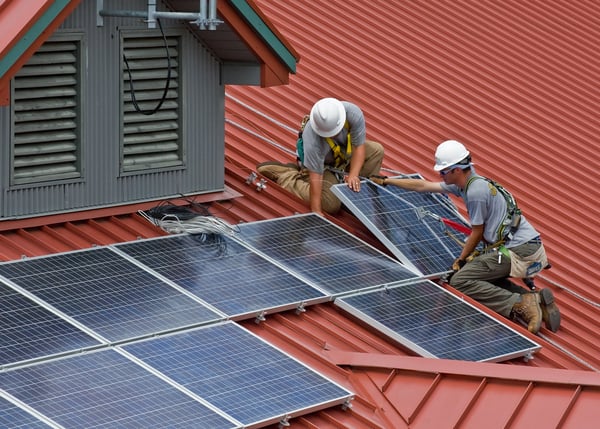
An important key benefits of solar energy is its ability to reduce utility expenses. By utilizing the power of the sun, homeowners can generate their own electricity, reducing dependence on utility companies. This not only leads to quick savings on regular energy costs and it can additionally provide sustained financial stability, especially as energy prices are predicted to rise. Over time, the return on investment for solar panel installation becomes evident as savings mount and electricity expenses diminish.
Additionally advantage of solar energy is its positive impact on the environment. Solar panels create clean, renewable energy that helps to lower carbon emissions and decrease the overall carbon footprint of homes. By selecting Solar Panel Installation Bicester , property owners contribute to a more sustainable future and assist in combating climate change. This eco-friendly choice not only benefits the planet but can also enhance community values, which makes neighborhoods more desirable to environmentally-conscious buyers.
Lastly, solar energy can increase property value considerably. Homes equipped with solar panels are often seen as more sought after, as they offer the potential for reduced utility costs and energy independence. Studies have shown that homes with solar energy systems can command a premium compared to comparable properties that do not have solar. This increase of property value, alongside the energy savings and environmental benefits, makes solar energy a smart investment for owners looking to enhance their property and lifestyle.
Cost and Funding Choices
The cost of solar panel installation can change significantly based on elements such as the type of solar panels selected, the size of the setup, and the difficulty of the installation process. On average, homeowners can anticipate to pay from ten thousand to thirty thousand dollars for a full solar panel system. It's crucial to consider additional costs such as licenses, inspections, and potential upgrades to your electrical infrastructure. Understanding these expenses upfront can help you budget effectively and make informed decisions during the installation procedure.
Luckily, there are several funding choices available to help handle the initial investment. Homeowners can look into solar loans, which enable you to obtain money specifically for the installation, often with competitive interest rates. Another popular choice is leasing or power purchase agreements, where you can use the solar panels without needing to purchase them outright. Additionally, many states and local governments provide incentives, tax credits, and rebates that can significantly lower the overall cost of solar panel installation, making it more accessible for households.
Before moving forward with solar panel installation, it's crucial to do your research on financing. Investigate various lenders, compare loan terms, and determine which option suits your financial situation best. Consulting with a solar installation company can also provide helpful insights into accessible financing programs, including any government benefits that may apply. By thoughtfully evaluating your options, you can take steps toward making solar energy a viable and profitable investment for your home.