An Science and Art of Arbor Surgery: Nurturing for Earth's Behemoths
Trees are often referred to as the environment's giants, standing lofty and grand in our surroundings. They provide canopy, enhance our environment, and offer a home for various creatures. However, like any organic entity, trees require attention and support to thrive. The practice of tree care combines both craft and method, focusing on the condition and maintenance of trees to ensure they remain vibrant and protected for the neighborhood. Understanding when to seek the expertise of a skilled tree surgeon can make all the impact in preserving these essential elements of our ecosystem.
From identifying the signs that indicate a tree may need specialized attention to knowing the best times for pruning and maintenance, effective tree care is essential for homeowners. Many tree issues can arise, from infection and harm to size-related problems that could pose risks. In this detailed guide, we will examine the key aspects of tree surgery, including how to identify dangerous trees, the gains of hiring a specialist, and the necessary maintenance practices that can keep your trees thriving for decades to come. Whether you are looking to avert issues or address existing problems, understanding the skill and science behind tree care is vital.
Recognizing Arbor Wellness Issues
Thriving trees are crucial to our environment and can beautify the aesthetics of our surroundings. However, trees can experience health problems that may not be immediately noticeable. Detecting warning signs early can stop more serious problems in the future. Frequent indicators include shriveling leaves, abnormal discoloration, and irregular growth patterns. It is important to periodically inspect your trees for these signs, as they can signal possible diseases or infestations that need expert attention.
One of the most significant signs of tree trouble is bark damage, which can show as cracks, peeling, or missing patches. This harm may expose the tree to pests and diseases, making it essential to evaluate the severity of the issue. Additionally, if you notice a significant amount of deadwood or a canopy that seems thinner than usual, these could be signs of underlying health issues. Seeking the help of a tree surgeon is vital if you detect any of these warning signs.
Another important aspect of determining tree health issues is monitoring changes in the surrounding environment. Factors such as root exposure, soil compaction, or changes in drainage can cause to a tree's decline. Furthermore, leaning trees or those with mushroom growth at their base may suggest root rot or other integrity issues. Homeowners should remain vigilant and alert about tree care, as timely response can often save a tree from deterioration or cutting down.
Tree Care and Care
Suitable tree maintenance and care are vital for ensuring the health and longevity of your trees. Regular inspections can help detect any potential issues early on. Look for signs such as dormant branches, unusual leaf discoloration, or fungi growth at the base, as these can indicate problems that require intervention. https://corktreeservices.com/ -maintained tree not only improves the beauty of your landscape but also provides vital ecological benefits, such as improved air quality and habitat for wildlife.
When caring for your trees, it is crucial to understand the difference between tree trimming and tree pruning. Trimming is primarily for looks and involves cutting back branches to contour the tree. In contrast, pruning is often done for the tree's health, which can include removing diseased or dead wood and improving airflow. Knowing when to perform these tasks can make a considerable difference in your tree’s overall vitality.
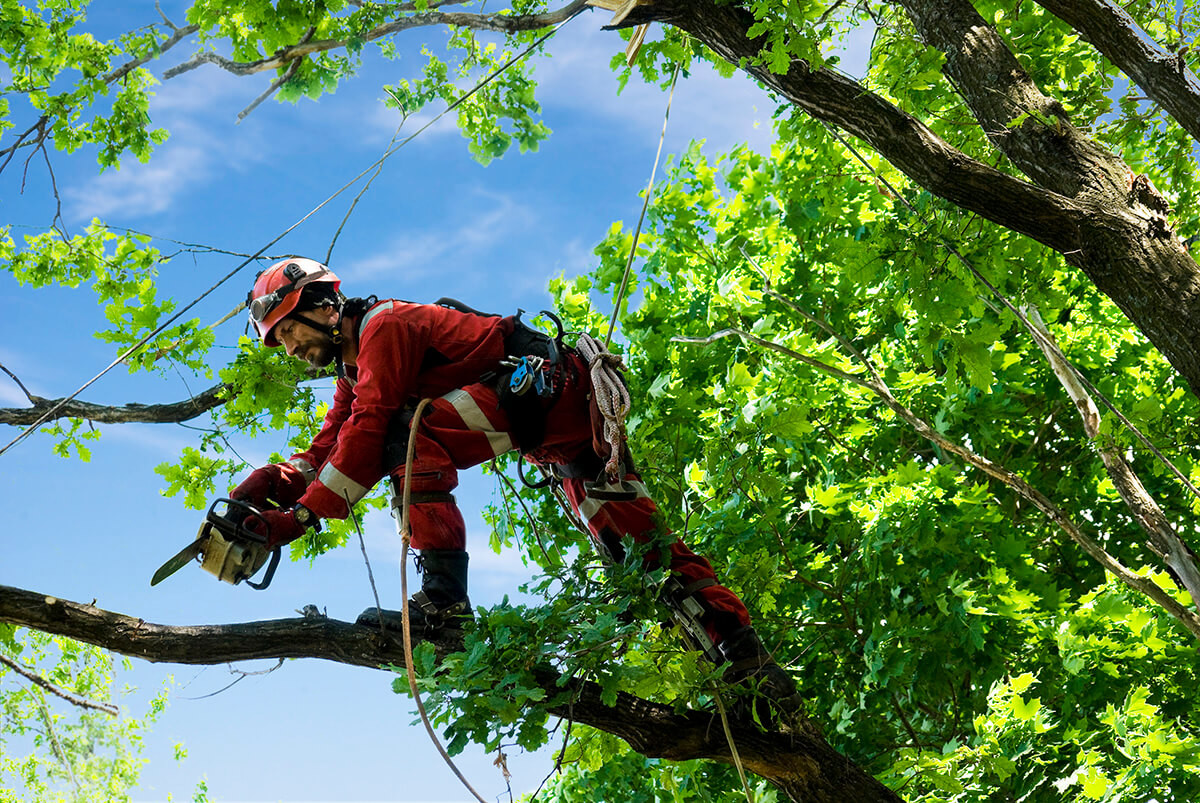
Additionally, seasonal care plays a crucial role in maintaining tree health. Preparing trees for winter involves protective measures against frost damage, while care during the hot, dry summer months focuses on proper watering and mulching to retain soil moisture. Regular evaluations and timely interventions not only extend the life of your trees but also minimize the risks they pose to your property and safety.
Hiring a Professional Tree Surgeon
When thinking about tree care, selecting a experienced tree surgeon can make a considerable difference in the condition and safety of your trees. A trained tree surgeon possesses the essential skills and expertise to evaluate the condition of your trees correctly. They can detect problems that may not be apparent to the untrained eye, such as hidden diseases, physical weaknesses, or pest infestations. By hiring a skilled individual, you secure that your trees receive the suitable care they deserve to prosper.
In addition to their specialized knowledge, professional tree surgeons are furnished with advanced tools and equipment. This allows them to perform tasks such as trimming, cutting, and even tree removal safely and efficiently. It is vital to select a reputable tree surgeon who complies with safety standards, as inadequate handling can lead to accidents or additional damage to your trees and property. Checking for certifications and insurance is an crucial step in the hiring process, as it shields both you and the professional against potential liabilities.
Finally, consider the future benefits of maintaining a connection with a tree surgeon. Routine inspections and maintenance can stop larger concerns down the line, ultimately preserving you time and money. A skilled can offer tailored advice based on your individual landscape and tree species, helping you develop a long-term care plan. By committing in a tree surgeon, you're not just handling immediate concerns but also securing the durability and well-being of your trees for a long time to come.